

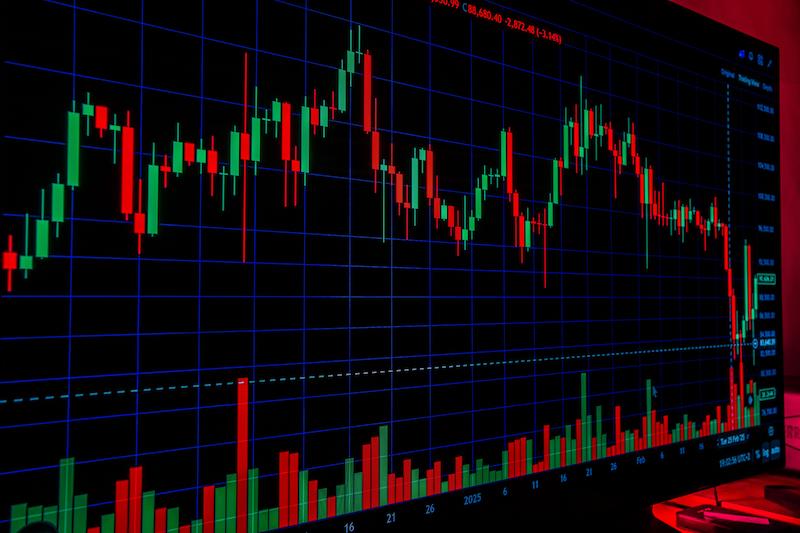
Equity markets and currencies are deeply intertwined, and Indian investors benefit from understanding the connection. When the INDEXDJX DJI surges, global investors often feel confident enough to take on more risk, channelling funds toward emerging economies. A turbulent session in the KOSPI, by contrast, can signal stress in Asian trade and technology cycles, sometimes prompting a flight to safer assets. These shifts affect the rupee, bond yields and, ultimately, the returns on your portfolio.
How Foreign Flows Move Markets
Foreign portfolio investors are a crucial lot in Indian equity markets. Their buying and selling tend to increase and decrease, respectively the levels of indices, as well as the value of the rupee, since they buy equities by converting foreign currency into rupees and vice versa.
They are also moved by several factors while taking buying or selling decisions, including growth prospects, valuation expectations, and global interest rates, apart from the risk appetite. Since their decision to buy or sell may be taken at a portfolio level rather than the stock level, even fundamentally sound Indian companies could see their share prices get adversely affected by net outflows.
The Rupee and Corporate Earnings
The value of the currency has a direct impact on corporate earnings. Exporters (software majors, pharma players) are direct beneficiaries of a weak rupee as a part of their foreign earnings will be added to, whereas importers (oil marketing companies, electronic manufacturers, and companies with dollar liabilities) are likely to see their cost structure under pressure.
Therefore, ascertaining the exposure of the companies in one’s portfolio to the vagaries of the exchange rate is something of a useful exercise. Annual reports and investor presentations will give an indication of the quantum of revenues and costs that are in foreign currency, apart from hedging practices followed.
Inflation, Interest Rates and Bond Markets
A weak rupee could see the prices of imported items (crude oil, edible oils, and electronic items) get inflated, leading to higher headline inflation. The RBI will take measures—either through its monetary policy or through its forex reserves—to tackle such situations.
For investors, rising bond yields could adversely impact equity valuations as fixed income products start offering better returns. Interest rates-sensitive sectors (real estate, automobiles, banking) are likely to get directly hit by rate hikes, while studying the movement of the rupee along with the ten-year bond yield and the Sensex or other indices can offer better insights.
Practical Steps for Individual Investors
While one cannot do much to control the movement of the currency, there are several practical steps that investors should take. The first is to not take impulsive decisions based on the daily movement of the currency. One should also balance one’s portfolio in terms of exposure to sectors that stand to gain (exporters) and ones that will lose out (importers) on a weak rupee. And finally, buy gold as a bearer of value in the face of a depreciating rupee.
With respect to foreign currency liabilities like sending a child abroad for studies, it is always better to build up a corpus to meet such expenses. Such liabilities should be measured and met with some regularity and discipline to avoid facing a depreciating rupee at that crucial point of payment. Due care should be taken to measure permissible modes of remittance and taxation aspects.
Currency analysis may sound complex, but the underlying principles are not difficult to grasp. Money tends to gravitate towards opportunities and move away from risks, and the rupee is no different. By keeping track of flows, exchange rates, and the exposure of various sectors, investors can identify trends without getting spooked out, and take their portfolios through good and bad rupee times.
