

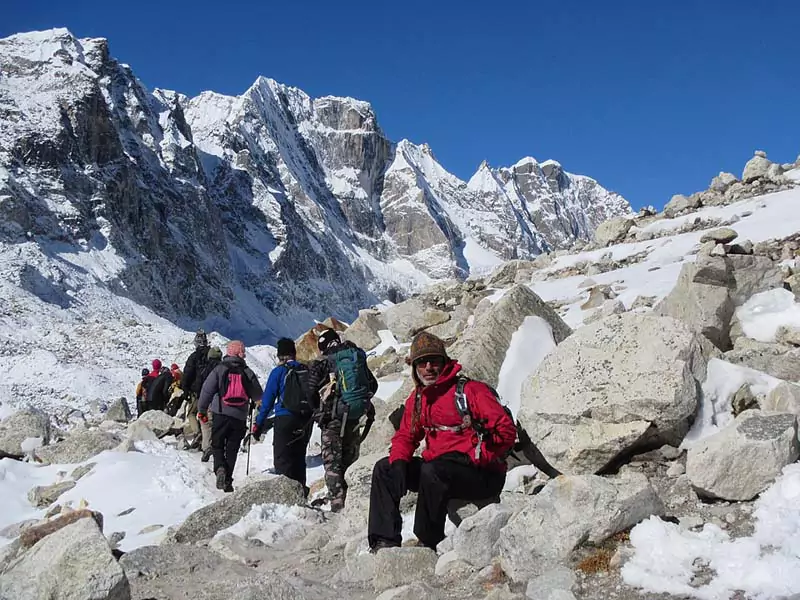
Image Credit: wikimedia.org
What to bring list for the Everest Base Camp trek Itinerary. This Everest Base Camp (EBC) trek packing list is very subject to the time of year you decide to trek. Each season has its unique climate demands, and packing properly will ensure that you are prepared, comfortable, and hopefully successful.
March to May (Spring) is the best time for trekking visits. Expect a slight climate and rhododendrons in flower. What’s New: p.c. Lightweight layers: moisture-wicking base layers, a warm mid-layer (like fleece), and a waterproof outer layer. You’ll also want a good warm hat, gloves, and 2 strong hiking boots. Oh, and don’t neglect your sun shades and sunscreen (with excessive altitude, the Himalayan sun may be strong).
Heat, dry climate, clean skies, heat, dry climate is among September and November. Layering is still key, with slightly warmer insulation, given the cooler nights. Nowadays, wearing a down jacket along with a pair of thermal underwear is recommended. An excellent sleeping bag is needed because it could get very cold at night. Waterproof gear should be a given due to those scattered rain and sea breezes.
Wintry weather trek crucial are base layers to preserve the temperature steady, as well as accurate, satisfactory warm jackets, gloves, and balaclavas. Snowy and icy trails make crampons and gaiters important. These days will be quick a headlamp must be on your packing list. Electronics need to be kept warm because batteries lose their charge in cold weather.
What Should You Take with You for the Spring Everest Base Camp Hike?
Spring is one of the excellent instances for trekking to EBC, with first-class climate and rhododendrons in full bloom. Base Layers for Hiking up With date layering, you can position a pair of lightweight and moisture-wicking base layer bottoms inside the p.c. for a smooth, sweat-free experience so that you feel drier and lighter anywhere your course takes you. Carry a warm layer as well, whether that’s a fleece or a light-weight insulating jacket, as the mornings can be pretty cold. A wind- and water-proof shell fabric protects in opposition to blustery showers and icy gusts. Solid hiking boots with desirable ankle support are a necessity. Don’t overlook your add-ons, which include a sunhat, shades, and sun protection; the UV rays are strong whilst you’re this high up. Layer, and you could peel as temps rise and put it back on as they drop. Convey a warm backpack (a small % for on foot, with a pocket for a water bottle), a reusable water bottle, and a means of live filtration to stay hydrated.
What Should I Carry in the Everest Base Camp Trek in Autumn?
Trekking in autumn is right for solid weather and a clear sky, but nights are less warm, so make certain to have masses of layers. Insulation: It’s essential as thermal undies, down jackets, especially at night. Water-resistant jackets and trousers guard in opposition to the occasional rain or stiff breeze. Also, carry some heat hats, gloves, and thermal socks so that they will keep you from freezing on some stage in the cold mountain nights. A terrific napping bag designed for chillier nights is a must. As for the very best kind of footwear I can think of—well, it is stout and waterproof. And don’t forget headlamps for early mornings or late evenings when light is at a premium. It would be wise to tote along some spare batteries and charging options, as the cold can do a number on batteries. Plan to take and put on layers of garb – warm in the day, cool at night.
What equipment do I require for Winter Trekking in Everest Base Camp?
Hiking in the Everest place (Everest Base Camp) in the ice – tough. In a wintry climate, you may experience bone-chilling, bloodless,s and ice-slicked, slippery trails. The trick is to layer up with thermal base layers, a toasty down jacket, and windproof outer layers. Bring balaclavas and insulated boots, and thick gloves, if you can, so that you don’t risk frostbite. Add some crampons, along with some gaiters (optional but nice for keeping snow and ice from getting into your boots). Bring a sleeping bag good to well below 0°F and a proper insulation mat against the coldness of the ground. The layering is crucial — and no, crappy cotton will not suffice, moisture-wicking layers only, please. [ Joan Nieratko, Features and Planning Editor] What you’ll need: Headlamps, spare batteries, and be ready for shorter days. “Also, lip balm and wind lotion.” If you truly pack for winter, you will be so comfy and safe.
Bag Packing Tips for Monsoon on the Everest Base Camp Trek?
The monsoon isn’t always one of the most popular instances, as the heavy rainfall may additionally make the trek risky at the minimum plenty less enjoyable, however, with the right equipment, it can be accomplished. Water-resistant and breathable jackets and pants are a must if you wish to stay dry. Deliver rain covers to your backpacks and water-resistant dry baggage to protect your electronics and apparel. Brief-drying material facilitates wick moisture far away from the body and saves you from scuffing. Solide, wasserfeste Trekking-Boots mit derben Sohlen schützen vor dem Ausrutschen im Matsch auf den Pfaden. And if you’re trekking during the rainy months, you might want some bug spray to keep the leeches and other bugs away that you’ll encounter at lower elevations. But take as many clothes with you, and be sure and have them changed often, or you will not be comfortable. And % a wide-brimmed hat and brief-dry gloves. Unique interest is needed for monsoon treks as the course could be very slippery and several river crossings are in full spate: tools up accordingly to stay secure.
How Shall I Cope with The Climatic Changes While I Pack for the EBC Trek?
The climate within the Everest area is unstable, and packing intelligently and flexibly is genuinely key. Get dressed in Layers: A combination of base layer, mid-layer insulating, and waterproof outerwear permits you to be in control of your comfort. Pack things that are skinny and lightweight and can fit on and off. Good idea to have a reliable waterproof backpack cover and dry bags to carry gear when rain and snow come unexpectedly. Even during warmer months, pack thermal gloves and hats: High elevations can cool quickly. You also never hurt with carrying extra socks and moisture-wicking underwear to stay dry and avoid blisters. Mind cars’ computers so they don’t freeze, preventing battery death. This makes your travel packing list useful and versatile under any weather scenario.
How is the weather in Everest Base Camp (EBC) in November?
The climate of Everest Base Camp Treks on November Everest Base Camp weather November is cold, dry, and sometimes rainy to none. During the day, you’ll find the temperature between 5°C- 15°C, but it can drop to as low as -30°C at night, and the sun sets around 4 pm. The sky is apparent, except for a few dust particles, and the snow totals up to about zero.9 inches. The Everest weather sees an average temperature from 2 degrees C to 16 degrees C, with midnight temperatures ranging between -18 degrees C to -5 degrees C on the way down. The November sunset is at 5 pm in Everest weatherwheree humidity is at:56%.
